
Planning for HD chorea
can help you preserve
your independence
MELISSA G.
At-risk individual and care partner
to mother with HD
Former Board Member,
Huntington’s Disease Society of
America - Los Angeles Chapter
“My life today is working toward balance. I'm trying to find balance in all things.”
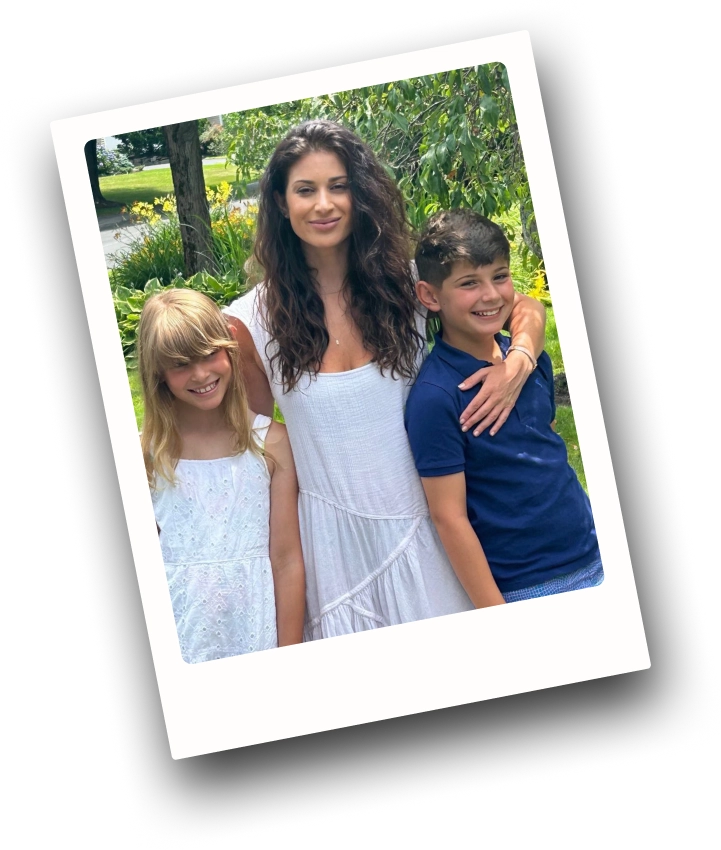
“My mom was diagnosed with Huntington’s disease in 2013, when she was about 56. Her mom also passed of Huntington’s, but I was never told of it. It was very much a family secret. At that time, your family didn’t want you to worry about it. Now hopefully it’s shifting away from that.
For me, my mother’s diagnosis came out of left field, but she saw her own mother decline when she was young. I think it was in the back of her mind that it was going to be coming at some point. When my mom started acting erratically, it was very confusing for me. It was the opposite of the loving, sweet, and thoughtful mom she was at her core. If I had known about HD, we would have been able to make it a calmer experience for her.
“I want people in the HD community to remember that you're tough. You're tougher than you thought you ever would be, and that you can still laugh.”
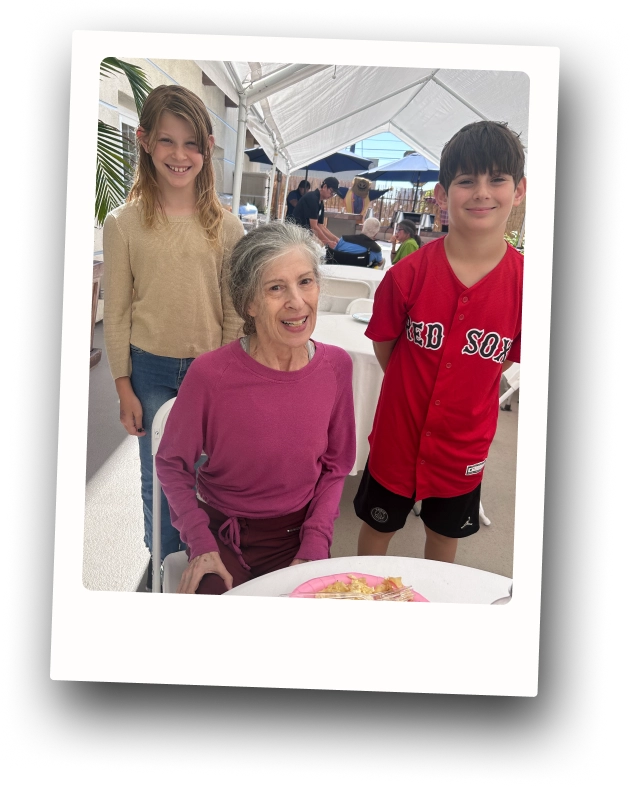
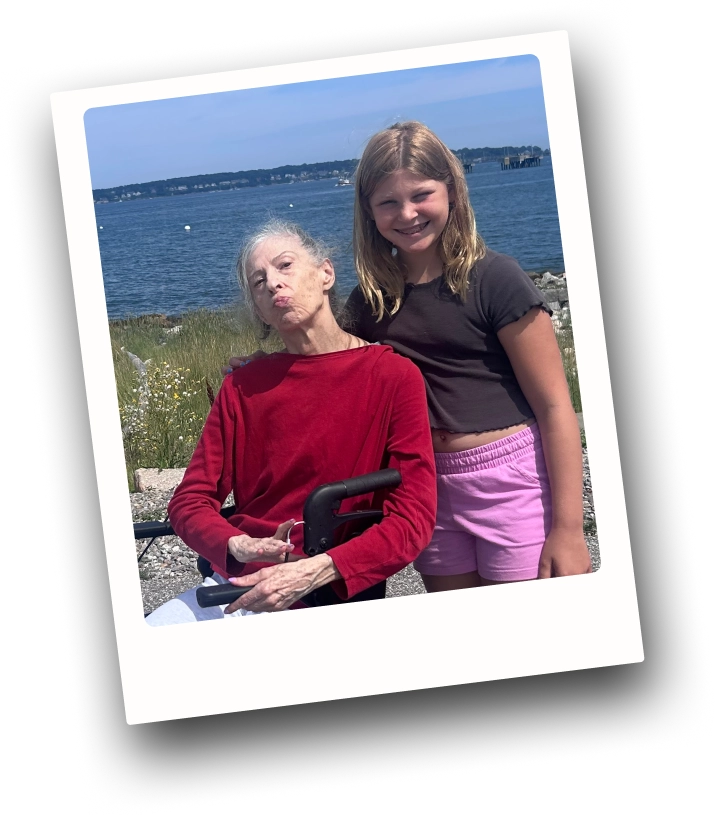
Very soon after my mom was diagnosed, I felt a strong need to be proactive about my own experience with Huntington’s disease. I didn’t want it to remain a family secret. Becoming involved in the community felt important to me, from regularly seeing a neurologist to attending support groups and community events. Because I was born before 1993, when the genetic marker linked to HD was discovered, my parents didn’t have the option to test before having children.
I always knew I wanted to be a mom, and I also knew that if I had the chance to remove Huntington’s disease from my bloodline, I would take it. I ultimately went through IVF with preimplantation genetic diagnosis to have my twins, ensuring they would be gene-negative. That decision has been an incredible gift to me and my family. It’s allowed me to involve my children in the Huntington’s disease community with the peace of knowing their health won’t be affected in the way it has been for my mom or potentially for me in the future.
I want everyone to know that people with HD aren’t scary, even though HD can feel scary when you don’t understand it. But these are people too, they’re moms, they’re people that are loved and have loved, who have had these wonderful lives and can continue to do so.
As a caregiver, I’ve learned how essential it is to prioritize my own self-care in order to truly practice what I preach. That’s one of the hardest parts of caregiving: the instinct to put yourself last, even when you know you can’t fully show up for others if you’re not well yourself. It’s a constant balance of holding space for someone else while also making sure you don’t disappear in the process.
My advice to members of the community is that you can’t do it alone, you must find your tribe. You must be your own advocate and ask people for help. Come up with a list with your therapist or a support group, think about the things that would help you. Whether that’s somebody grocery shopping or even staying on hold with the insurance company. That can be something a friend can do, which will help support you and help you take care of yourself.
I want people in the HD community to remember that you’re tough. You’re tougher than you thought you ever would be.”